Mold Mitigation Service in Essex County, NJ
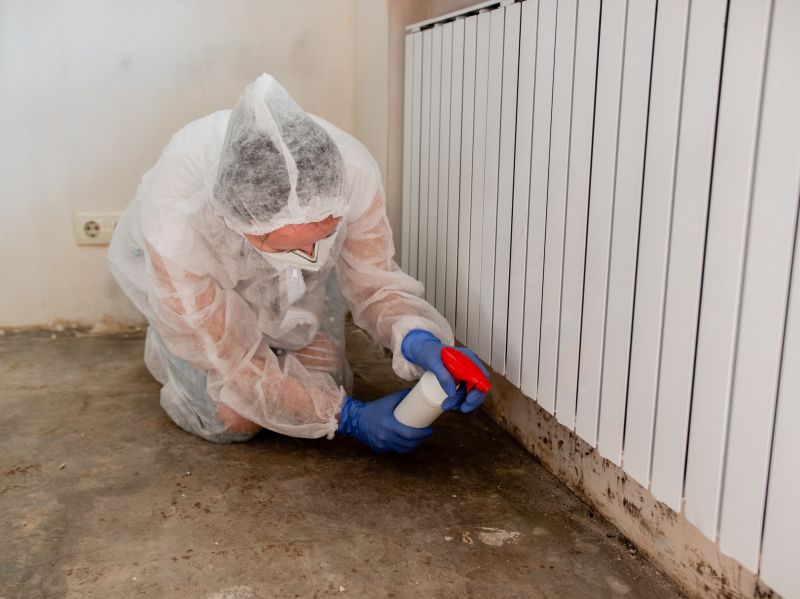
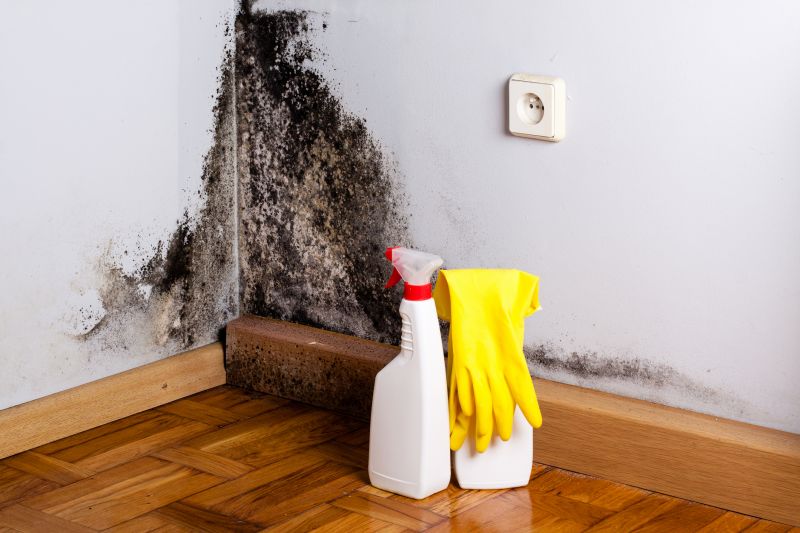
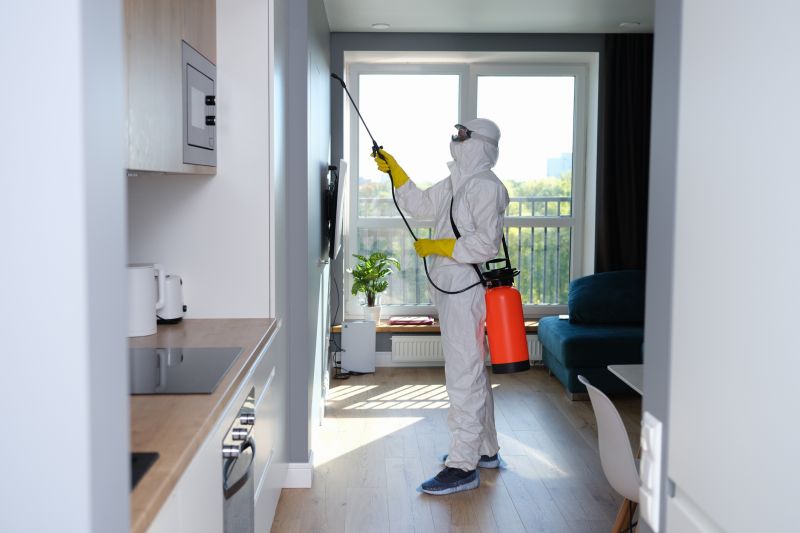
Mold mitigation services involve identifying and removing mold growth from residential properties to improve indoor air quality and protect the structure. These projects typically include inspecting affected areas, containing mold to prevent spread, and employing specialized techniques to eliminate mold colonies from surfaces such as walls, ceilings, and HVAC systems. Property owners often seek mold mitigation after noticing signs like a musty odor, visible mold growth, or moisture issues that could promote mold development.
Before requesting mold mitigation, homeowners usually want to understand the scope of the affected areas, the methods used for removal, and any necessary steps to prevent future mold growth. It’s important to address underlying moisture problems, such as leaks or high humidity, to ensure the effectiveness of mitigation efforts. Clear communication about the process and the condition of the property can help property owners make informed decisions about the project.
Many property owners in Essex County, NJ look into Mold Mitigation Service for repairs, replacements, upgrades, and appearance-related improvements.
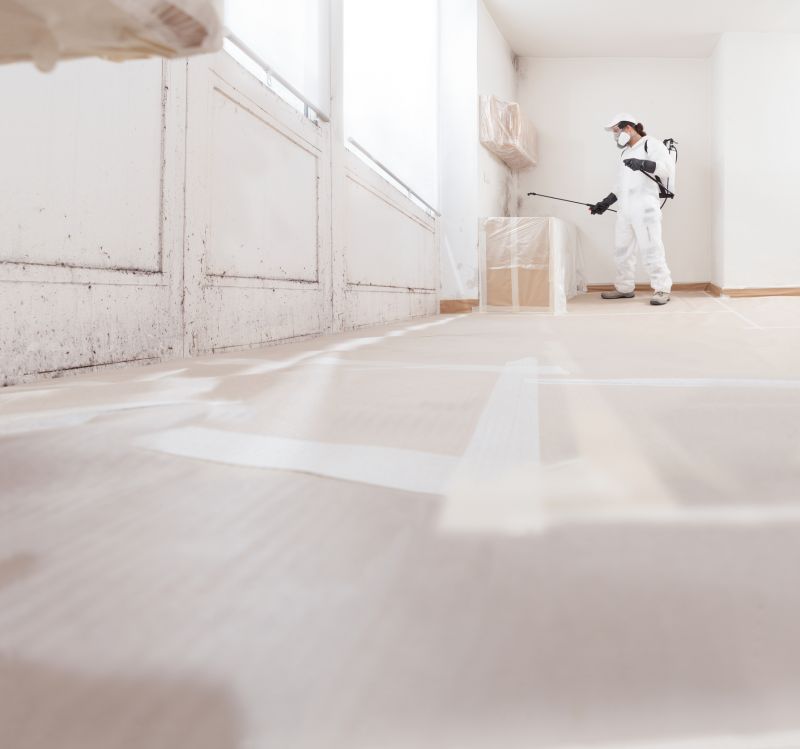
Mold Prevention Strategies
Effective techniques to reduce moisture and prevent mold growth in homes.
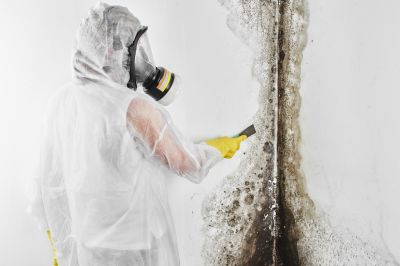
Signs Of Mold Infestation
Identifying common indicators like musty odors and visible spots in your property.
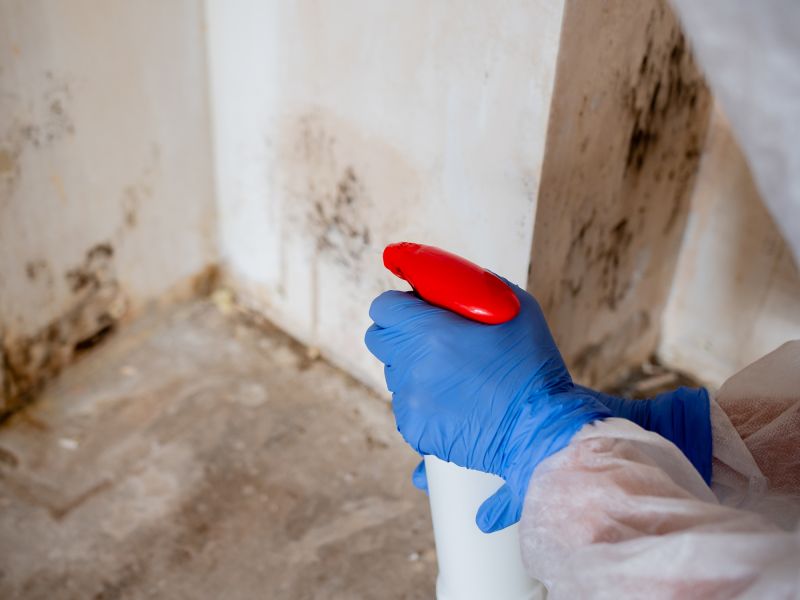
Mold Removal Solutions
Comprehensive methods to safely eliminate mold and restore indoor air quality.
Mold Mitigation Service in Essex County, NJ

Mold mitigation services involve identifying and removing mold growth from residential properties to improve indoor air quality and protect the structure. These projects typically include inspecting affected areas, containing mold to prevent spread, and employing specialized techniques to eliminate mold colonies from surfaces such as walls, ceilings, and HVAC systems. Property owners often seek mold mitigation after noticing signs like a musty odor, visible mold growth, or moisture issues that could promote mold development.
Before requesting mold mitigation, homeowners usually want to understand the scope of the affected areas, the methods used for removal, and any necessary steps to prevent future mold growth. It’s important to address underlying moisture problems, such as leaks or high humidity, to ensure the effectiveness of mitigation efforts. Clear communication about the process and the condition of the property can help property owners make informed decisions about the project.
Many property owners in Essex County, NJ look into Mold Mitigation Service for repairs, replacements, upgrades, and appearance-related improvements.
Common Mold Mitigation Service Jobs
Mold Removal - comprehensive cleaning to eliminate visible mold growth and spores.
Moisture Control - identifying and addressing sources of excess humidity to prevent mold recurrence.
Structural Drying - drying affected building materials after leaks or flooding to inhibit mold development.
Air Quality Improvement - reducing airborne mold spores to improve indoor air safety.
Surface Treatment - applying antimicrobial solutions to inhibit future mold growth on surfaces.
Inspection & Assessment - evaluating property conditions to identify mold risks and guide mitigation strategies.
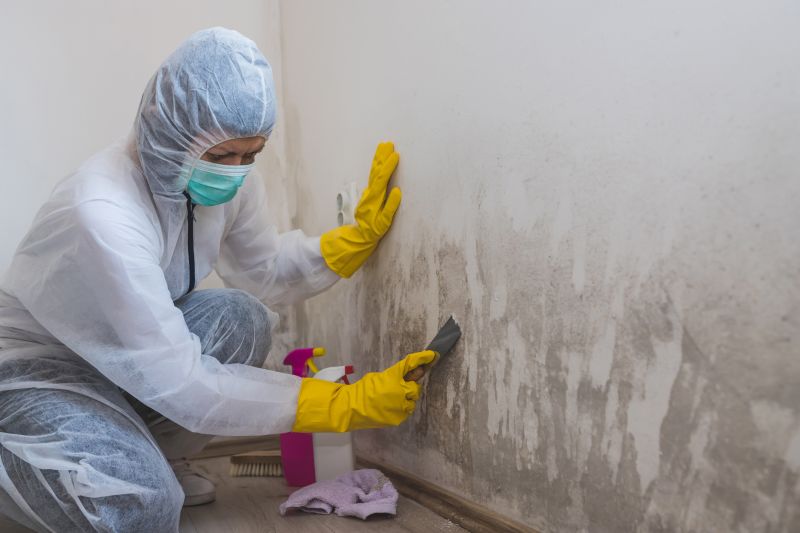
Mold Mitigation Service Questions
What areas do mold mitigation services cover? The services typically address mold issues in residential and commercial properties throughout Essex County and nearby regions.
What types of mold problems are commonly treated? Common issues include mold growth caused by leaks, humidity, or water damage in areas like basements, bathrooms, and attics.
What should property owners know about mold mitigation? Proper assessment and removal help prevent mold from spreading and protect indoor air quality.
When is mold mitigation necessary? It is recommended when mold is visible or suspected due to persistent moisture problems or water intrusion.
Request Mold Mitigation Service in Essex County, NJ
Use the quote form on this page to share the basics of your project and request more information for the type of work you need.